Game Development
Name
"Lorem ipsum dolor sit amet, consectetur adipiscing elit, sed do eiusmod tempor incididunt ut labore et dolore magna aliqua. Ut enim ad minim veniam, quis nostrud exercitation ullamco laboris nisi ut aliquip ex ea commodo consequat.


-
Description text goes here
-
Description text goes here
-
Description text goes here
Power Suit
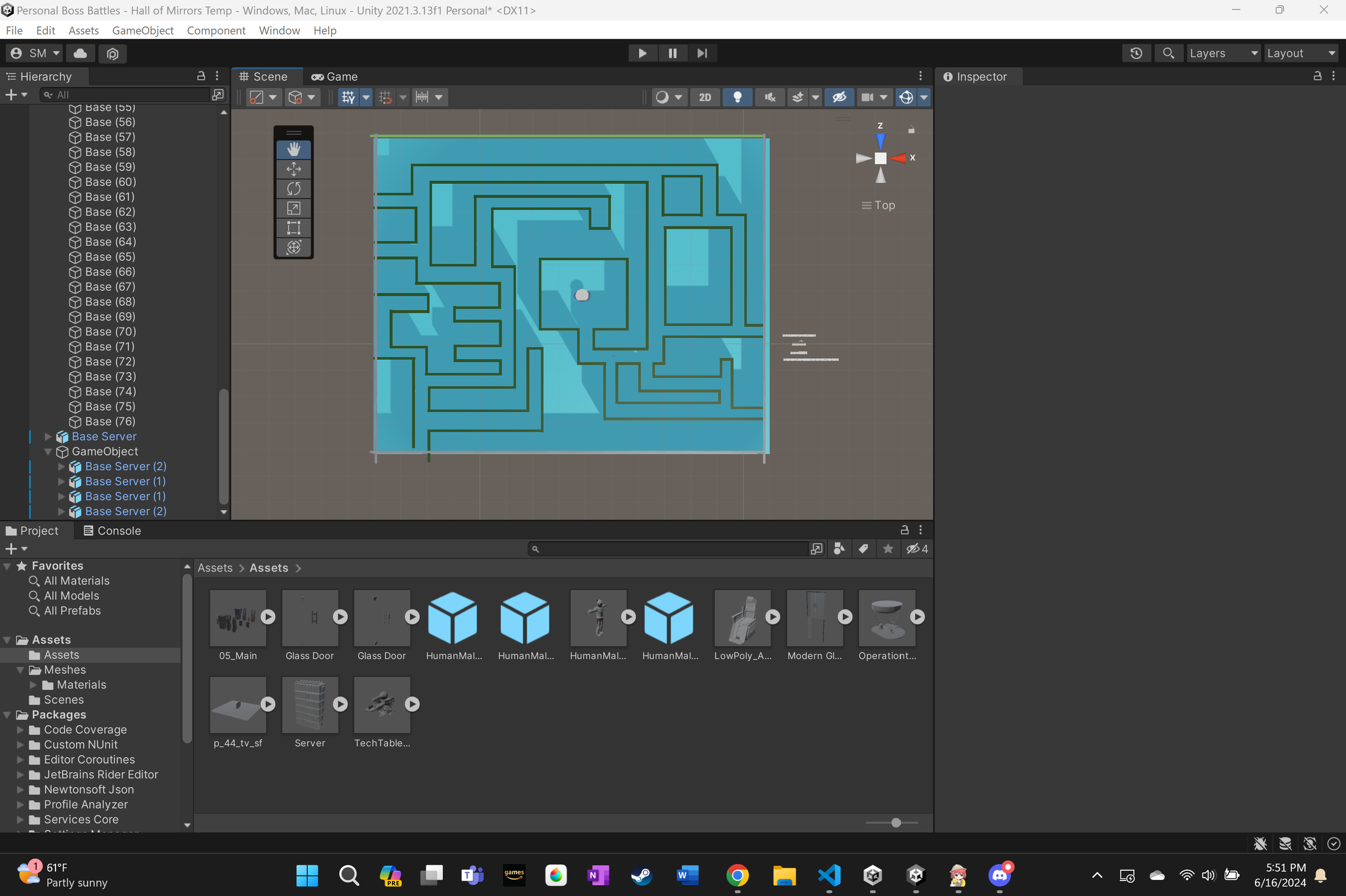
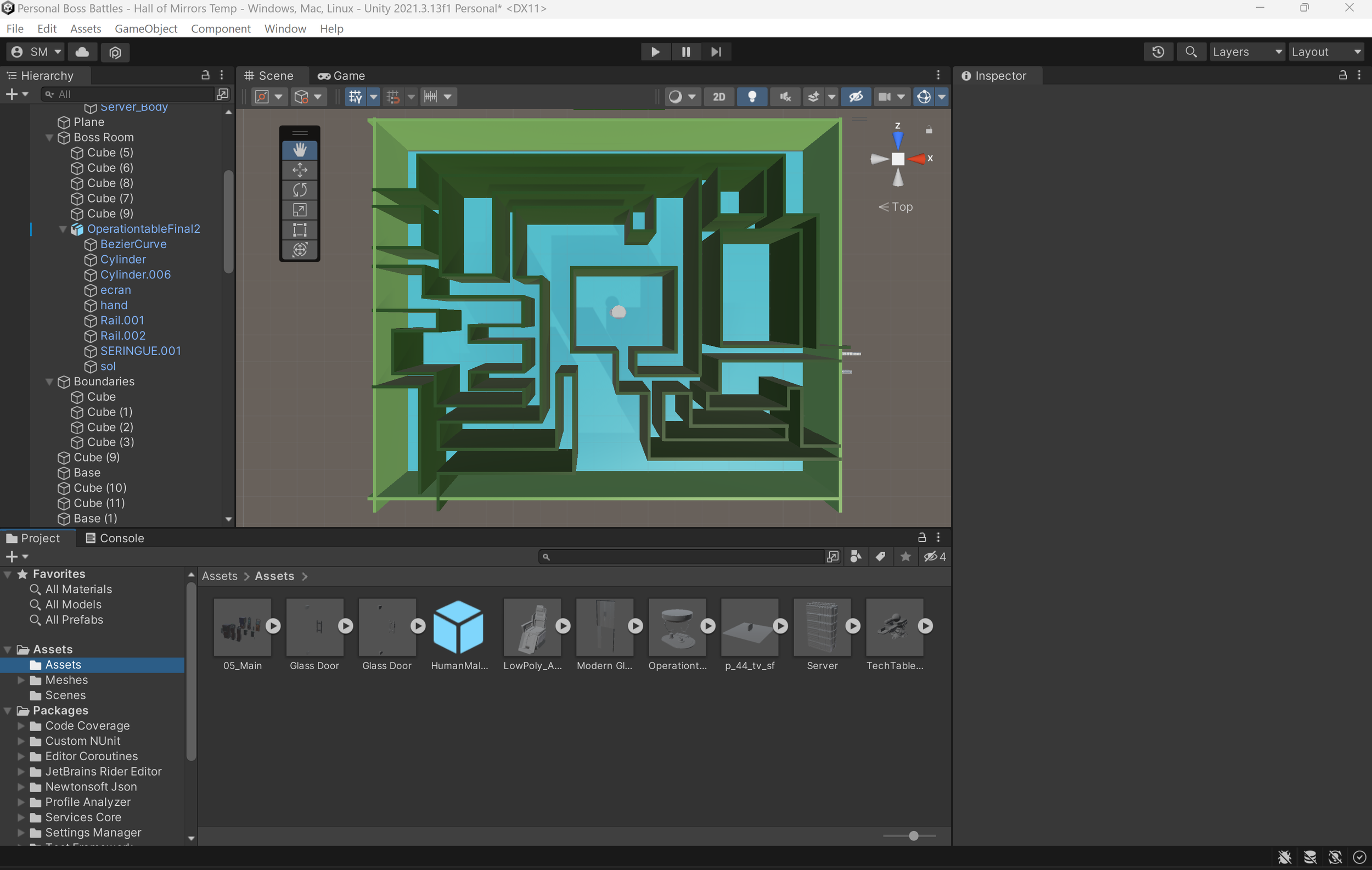
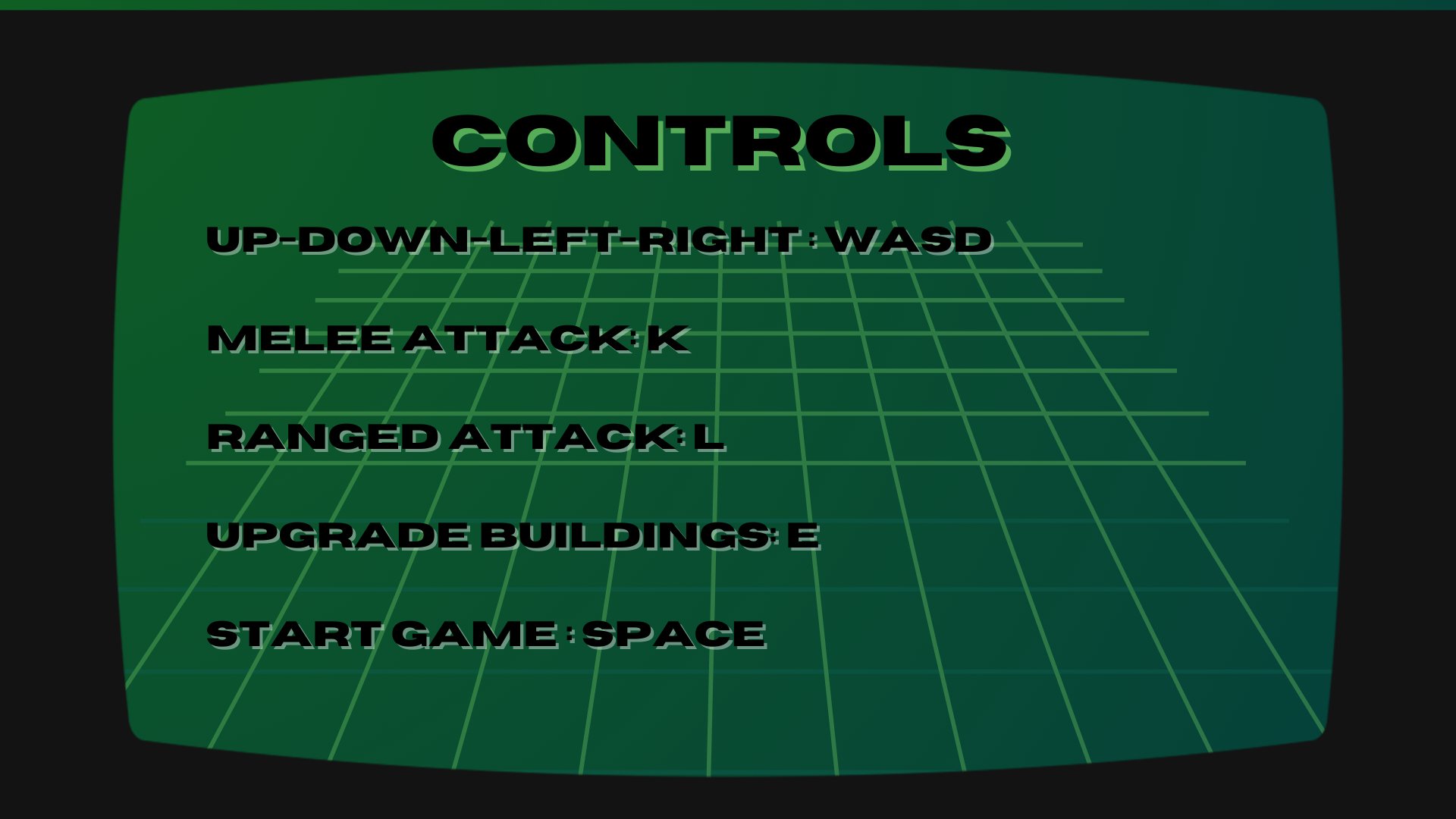
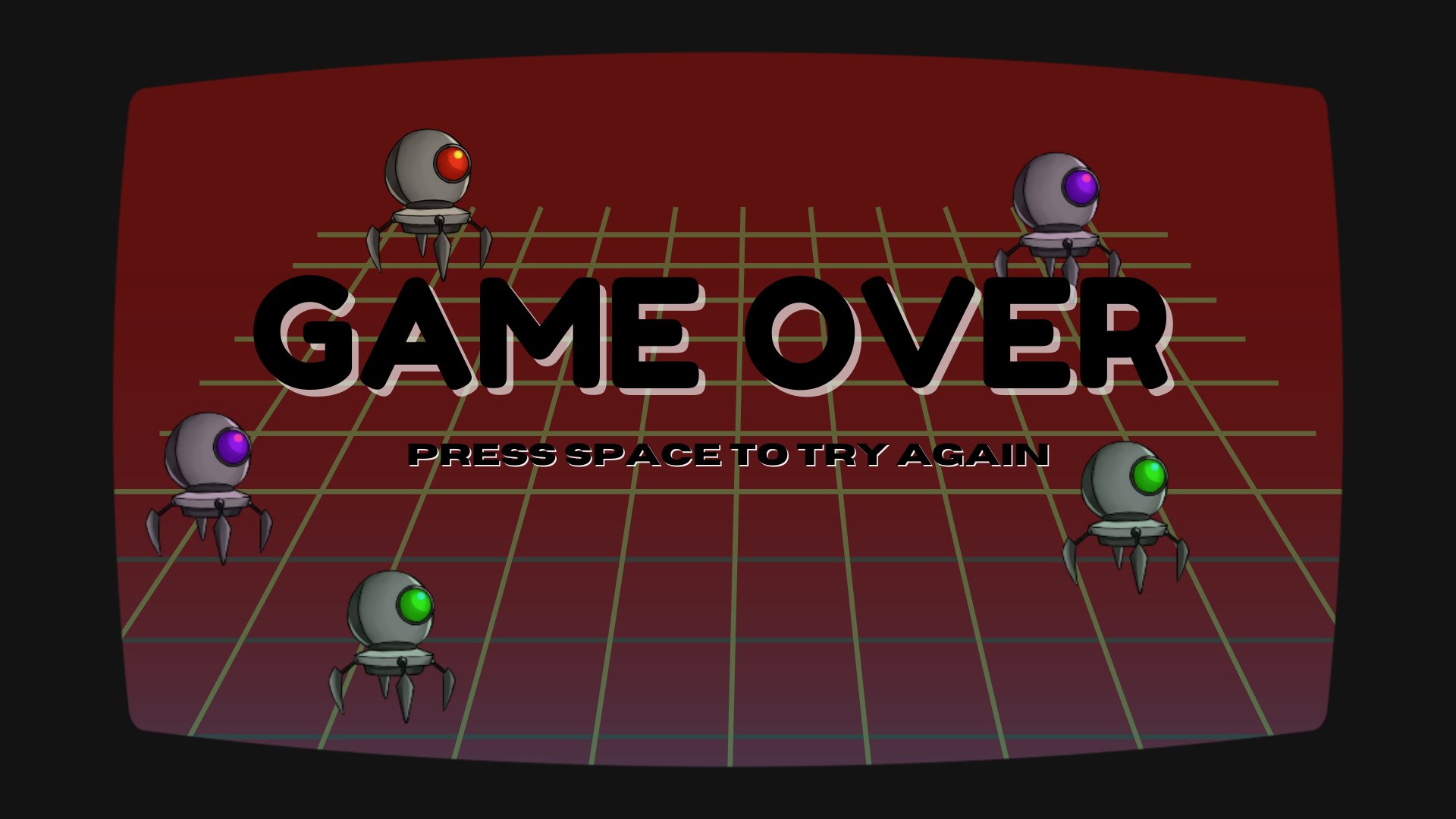
Power Suit is a short game style created to experiment with boss level mechanics and designs. In this level players navigate a high-tech server room, overcoming a series of traps and minions while unlocking the main room to face the ultimate challenge. Along the way, they must dodge freezing TVs, drones, and other hazards while strategizing to defeat enemies and reach their goal.
Power Suit currently has completed enemy movement, player controls and core environmental design as well as puzzles mechanics. Our goal is to finalize the boss area mechanics as well as the UI before pushing our first demo launch.
This project utilizes Unity, C++, Plastic.SCM, Prefab, Sketchfab, and Unity Assets



-
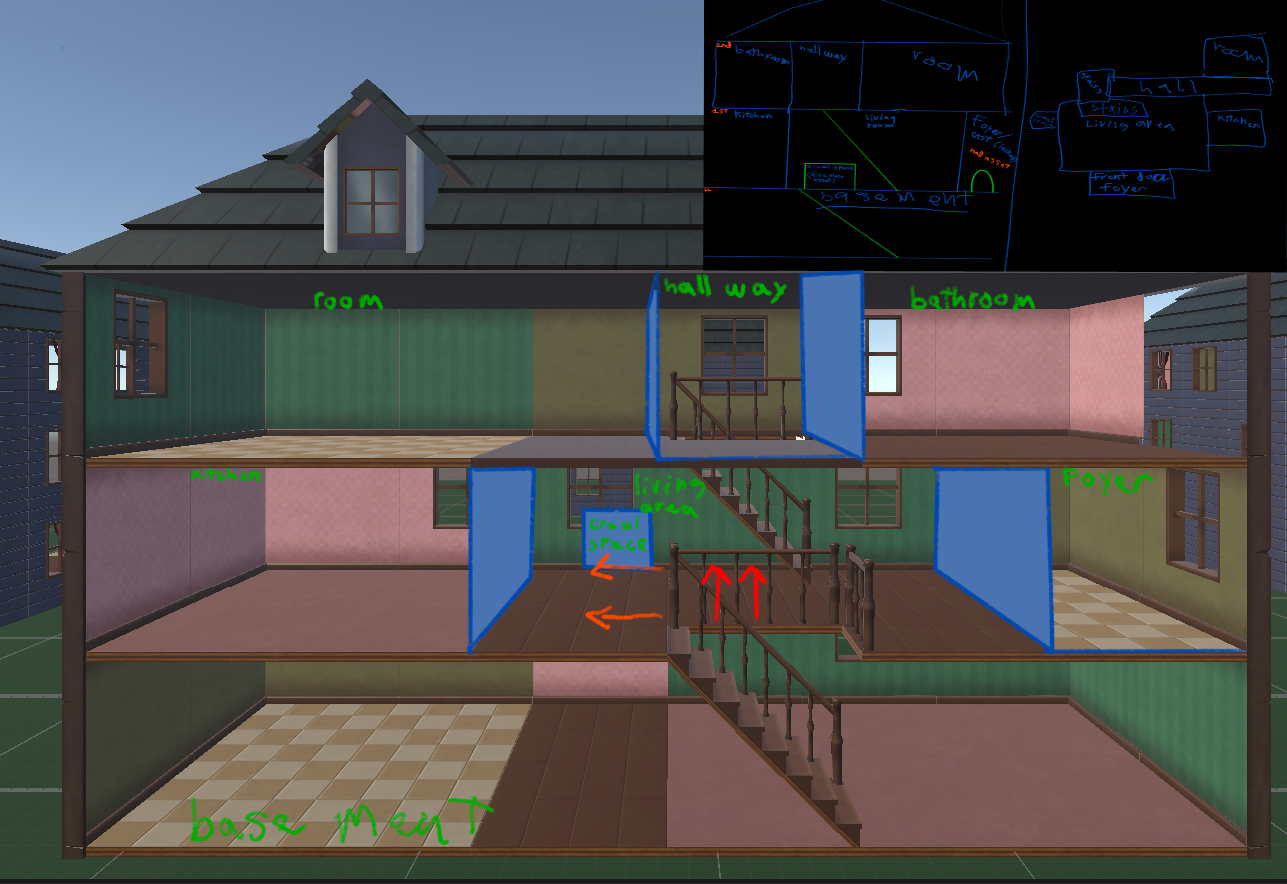
Integrated external assets (e.g., modular dollhouse) to create the game's environment, ensuring a unique, customizable world.
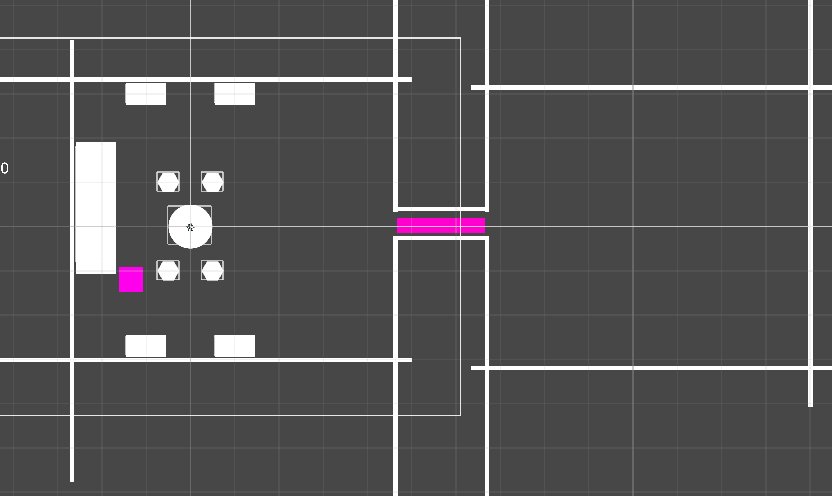
Designed key locations such as the room, hall, and kitchen, ensuring these spaces supported both gameplay flow and puzzle interactions to guide players through the world.
Ensured smooth room transitions and aligned the map layout with both the narrative and puzzle structure, enabling a seamless experience for players to follow.
Implemented four key object-based puzzles that unlocked new areas, integrating logic and environmental challenges to push the narrative forward.
Placed NPCs (e.g., Aunt, Cousin, Monster) throughout the game and programmed their movement and behavior. Ensured that breaking the rules resulted in consequences, creating tension and driving the story.
-
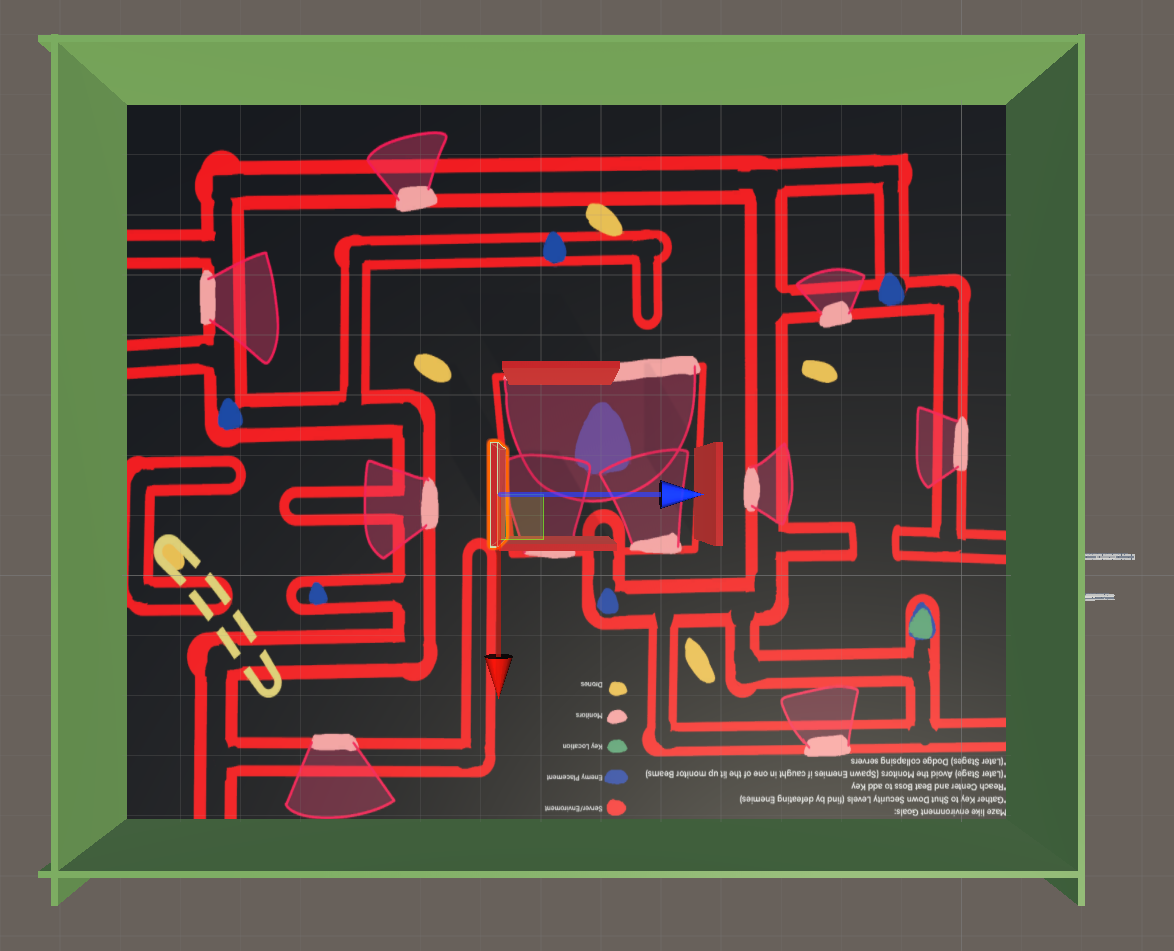
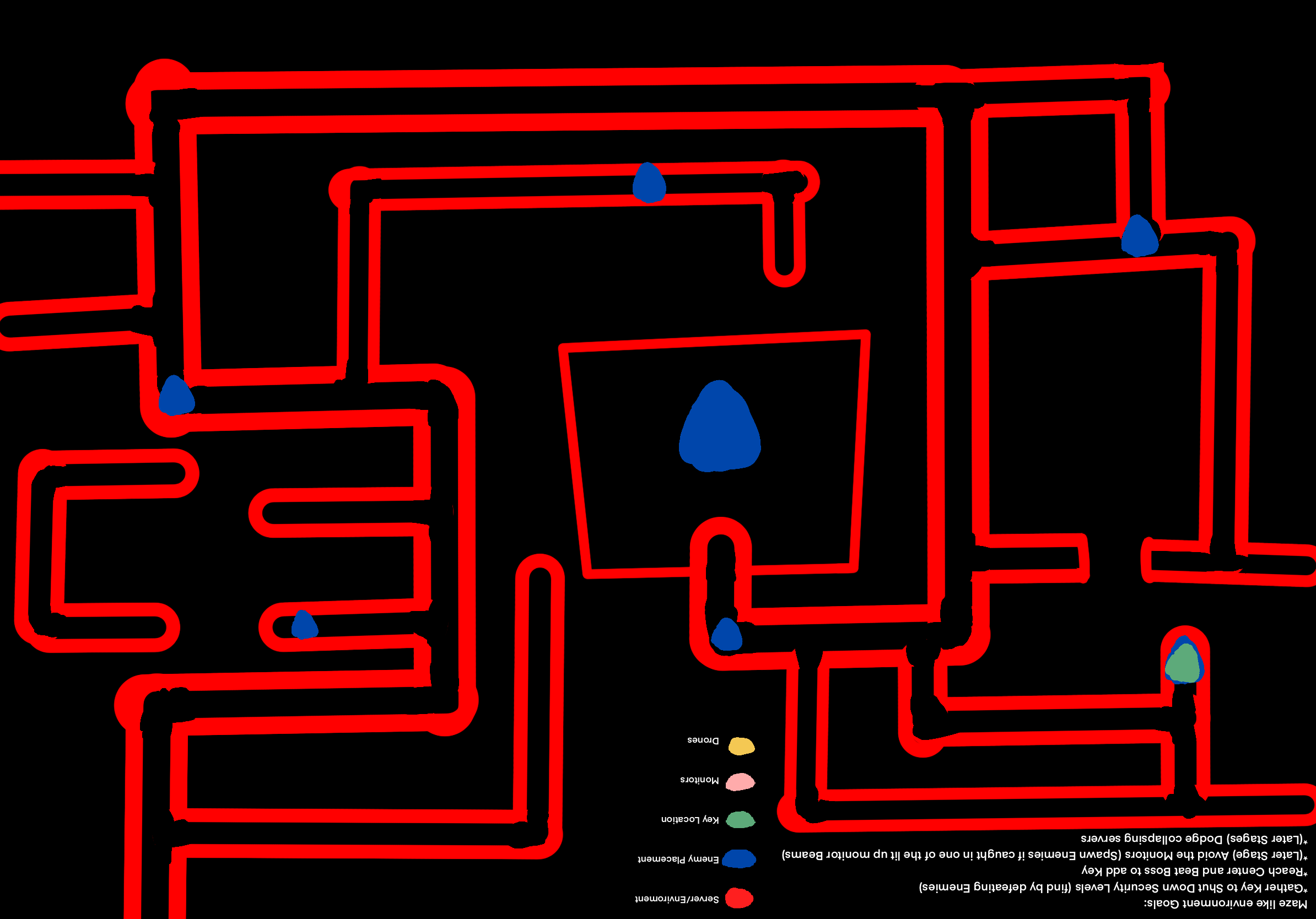
Designed the maze-like server room environment, ensuring it was challenging yet rewarding for the player to navigate.
Developed key gameplay elements, including generating environmental obstacles and maze navigation challenges that promote player decision-making and problem-solving.
Optimized environmental features for interaction, including combat areas, trap placements, and visual cues that guide the player’s progression through the level.
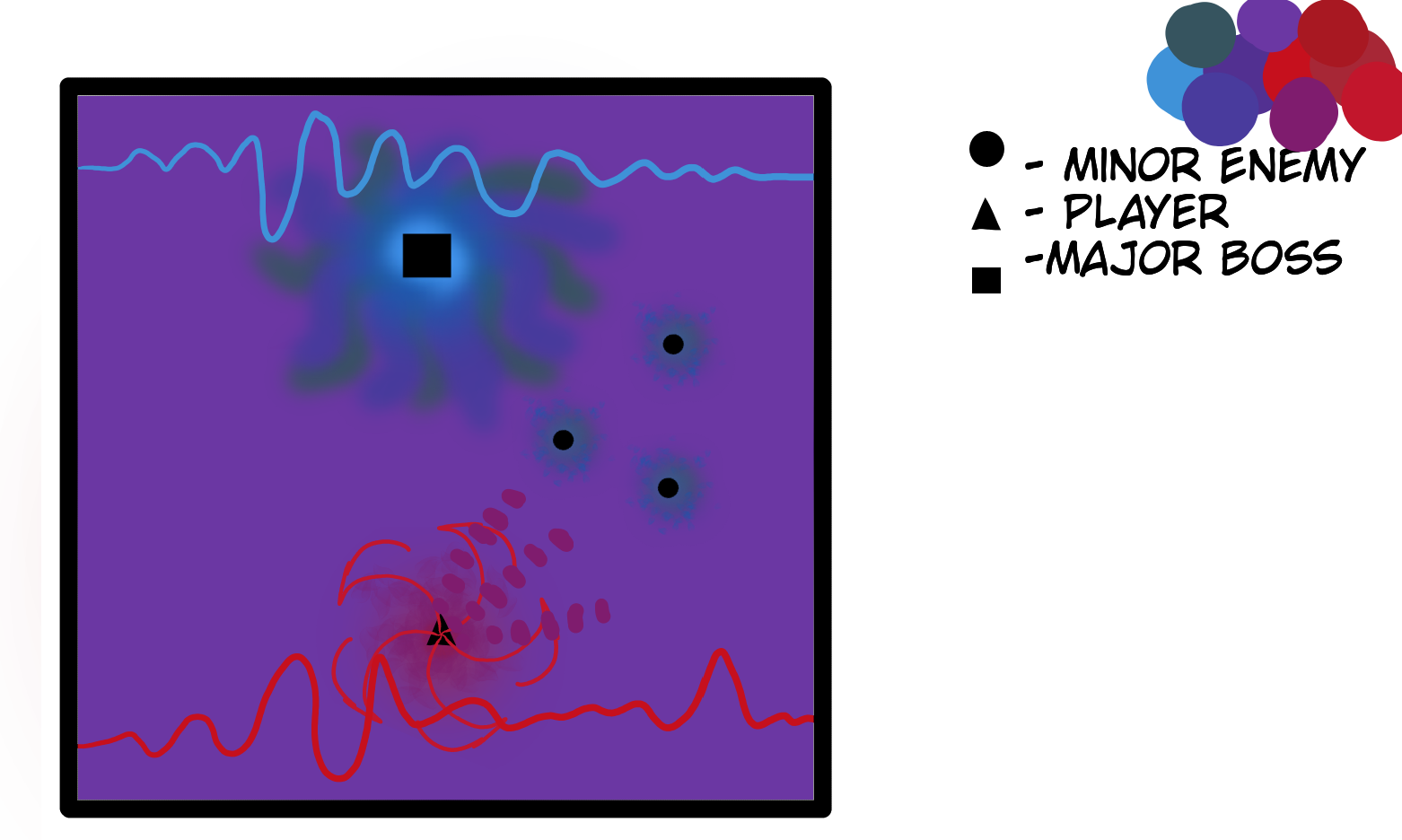
Created a full breakdown of the level's duration and pacing, detailing how the stage grows over time and the different stages, movement patterns, and goals for each enemy type.
-
Implemented core game mechanics, such as player damage, movement, combat systems, and level switching, to ensure smooth and responsive gameplay.
Programmed the behavior of enemies, including movement, spotting and tracking the player, drone targeting, and clone attacks, to create dynamic combat encounters.
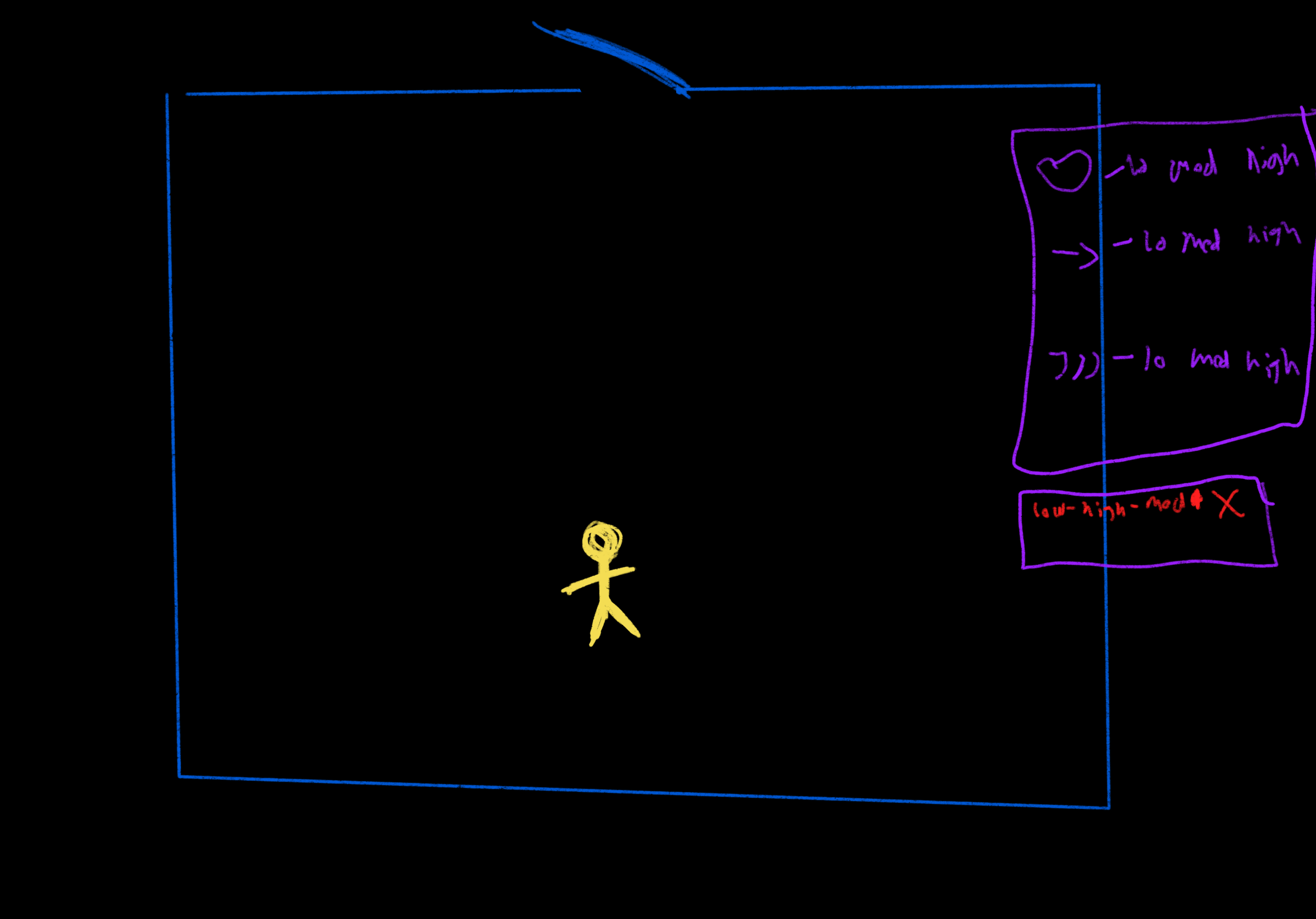
Created and designed overlays and visual feedback, such as door triggers, combat indicators, and boss damage counters, to improve player awareness and immersion in the environment.
Cadenza
Household Rules is a third-person RPG puzzle game inspired by Little Nightmares, What Remains of Edith Finch, and Fran Bow. The game emphasizes learning through trial and error rather than traditional tutorials, creating an eerie atmosphere centered around exploration, mystery, and unexpected interactions. Players must uncover the rules of their environment and learn how to break them, with the story and puzzles working together to gradually reveal the world around them.
Household Rules currently has a functional reset feature that triggers under specific conditions, returning the player to the beginning of the day. The project also includes an elevated camera perspective designed to mimic the experience of playing with dolls inside an open-faced dollhouse, as well as the foundational environmental setup for the demo puzzles. Our goal is to continue developing the core puzzle mechanics and environment while preparing the current build for demonstration.
This project utilizes Unity, C++, Plastic.SCM, Prefab, Sketchfab, and Unity Assets.
-
Integrated external assets (e.g., modular dollhouse) to create the game's environment, ensuring a unique, customizable world.
Designed key locations such as the room, hall, and kitchen, ensuring these spaces supported both gameplay flow and puzzle interactions to guide players through the world.
Ensured smooth room transitions and aligned the map layout with both the narrative and puzzle structure, enabling a seamless experience for players to follow.
Implemented four key object-based puzzles that unlocked new areas, integrating logic and environmental challenges to push the narrative forward.
Placed NPCs (e.g., Aunt, Cousin, Monster) throughout the game and programmed their movement and behavior. Ensured that breaking the rules resulted in consequences, creating tension and driving the story.
-
Designed the maze-like server room environment, ensuring it was challenging yet rewarding for the player to navigate.
Developed key gameplay elements, including generating environmental obstacles and maze navigation challenges that promote player decision-making and problem-solving.
Optimized environmental features for interaction, including combat areas, trap placements, and visual cues that guide the player’s progression through the level.
-
Created a full breakdown of the level's duration and pacing, detailing how the stage grows over time and the different stages, movement patterns, and goals for each enemy type.
Implemented core game mechanics, such as player damage, movement, combat systems, and level switching, to ensure smooth and responsive gameplay.
Programmed the behavior of enemies, including movement, spotting and tracking the player, drone targeting, and clone attacks, to create dynamic combat encounters.
Created and designed overlays and visual feedback, such as door triggers, combat indicators, and boss damage counters, to improve player awareness and immersion in the environment.
Animation and Lightning Sandbox Practice













Quisque iaculis facilisis lacinia. Mauris euismod pellentesque tellus sit amet mollis.